Who Pays For Your Happiness? Socialism vs. Capitalism, Plainly
Context: New York City just elected a self-described democratic socialist as mayor, on a platform of rent freezes, higher minimum wages, and more taxpayer-funded services. That’s why people are asking whether “this is the same as Trump.” It isn’t—and here’s the simple way to think about it.
Q: What’s the real difference here?
Capitalism is the system where you build your life—start businesses, take risks, keep profits, compete, create jobs.
Socialism is the system where government attempts to provide more of your life—“free” or price-controlled goods and services funded by taxes.
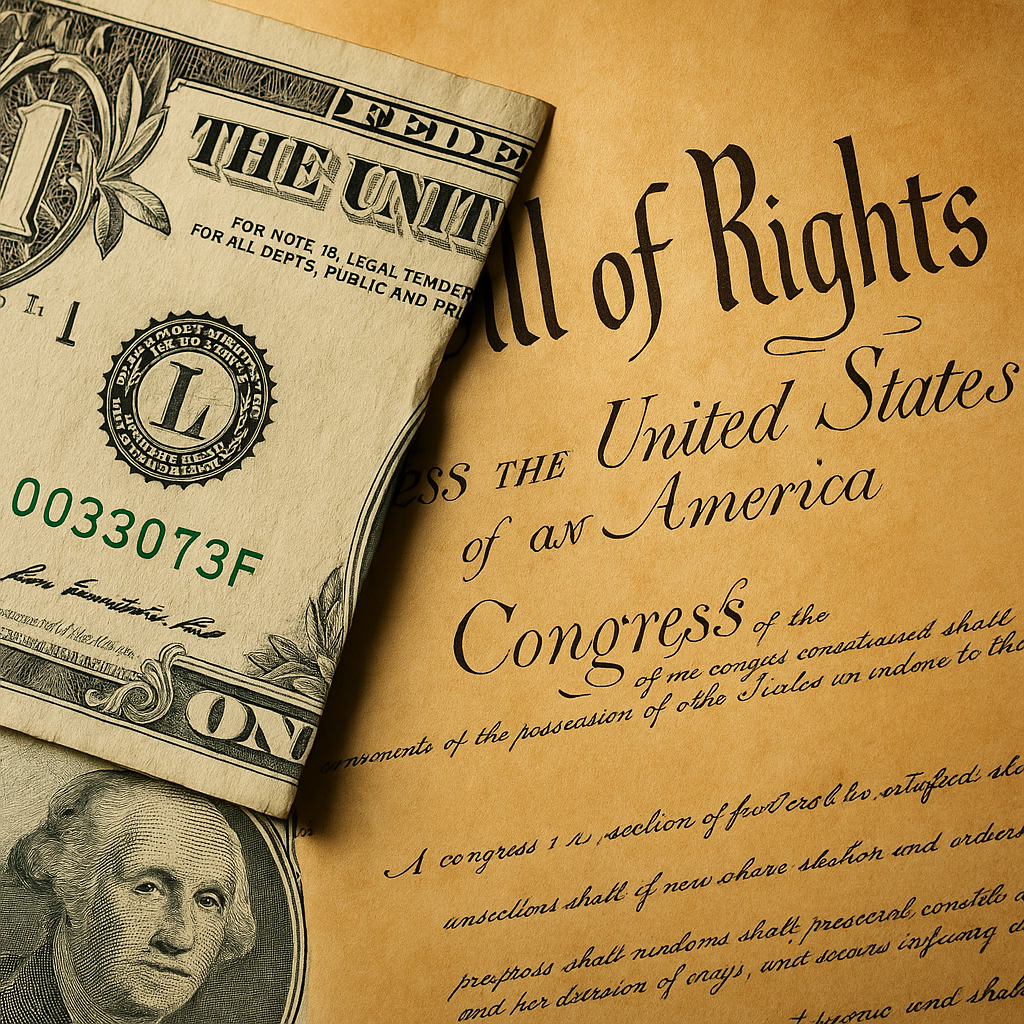
Q: Are things like free education, free or controlled rent, free healthcare, free childcare, controlled wages “rights”?
No. Those are social programs, not protected rights. Your protected rights are things like free speech, the right to bear arms, and the right to pursue happiness. “Pursue” doesn’t mean “be given”—it means you have the freedom to try, build, and keep the rewards of your effort.
Q: Don’t we already pay taxes for shared stuff?
Yes. We elect people to tax us for universal, practical systems that keep a modern city running—roads, police and fire, courts, some retirement and disability programs. Those are shared infrastructure and safety functions, not a promise to supply every household’s “happiness.”
Q: So what happens when the list of “free” things keeps growing?
Every “free” thing comes from someone’s paycheck. When government piles on rent freezes, wage controls, and new entitlements, businesses face rising costs and shrinking margins. If making a profit becomes too hard, business owners leave. And when they leave, so do jobs, tax revenue, and the money that funds the “free” programs.
New York is already the national epicenter of price-regulated housing (nearly a million rent-stabilized apartments; another 22,000 under stricter rent control). The new mayor promised even tougher freezes and bigger subsidies—classic socialist levers. Those policies shift costs but don’t eliminate them. Someone pays.
Q: “But the public wants it—doesn’t that prove it works?”
Polling shows America still favors capitalism overall, but support has slipped in recent years while interest in socialist ideas among younger voters rose. That shift doesn’t change math: programs like guaranteed income, “free” transit, or rent freezes require recurring funding, higher taxes, or new debt. Enthusiasm can’t repeal arithmetic.
Q: What do we lose when socialism sounds more attractive than the pursuit of happiness?
Incentive and responsibility. If you believe your city owes you happiness, then you’ve outsourced your future to politicians you can’t control. When the bill comes due, it’s paid by workers, savers, and the very businesses that fund your city services. If they’re punished for succeeding, they’ll stop investing or they’ll leave. Then who pays?
When you make it too difficult to make a profit, owners move on. When they move on, so does the tax base. Who pays for your happiness then? Who puts out the dumpster fires your policy choices created?
Q: “Is the new NYC mayor basically the same as Trump?”
No. One camp argues for more government-provided goods and price controls; the other argues for fewer controls and more market incentives. You can like or dislike either—but they are not the same. Voters just chose a democratic socialist platform for NYC. The costs and trade-offs will show up in budgets, business decisions, and, ultimately, whether working people stay or go.
Sources for current facts: AP race call & platform coverage on NYC mayoral result; NYC rent-regulation overview; recent polling on U.S. views of socialism vs. capitalism; and current proposals on guaranteed income.
#EricFGilbert #EricGilbert #NYC #NYCMayor #ZohranMamdani #Socialism #Capitalism #FreeIsNotFree #RentControl #MinimumWage #UBI #FreeSpeech #SecondAmendment #SmallBusiness #Taxation
Just remember, whenever a people start trading for free “stuff,” the price that the always end up paying is by giving up their rights. Always…