Pentagon Reporters Turn In Badges — Security or Censorship?
Published: October 16, 2025 (AM ET)
Q: What actually happened?
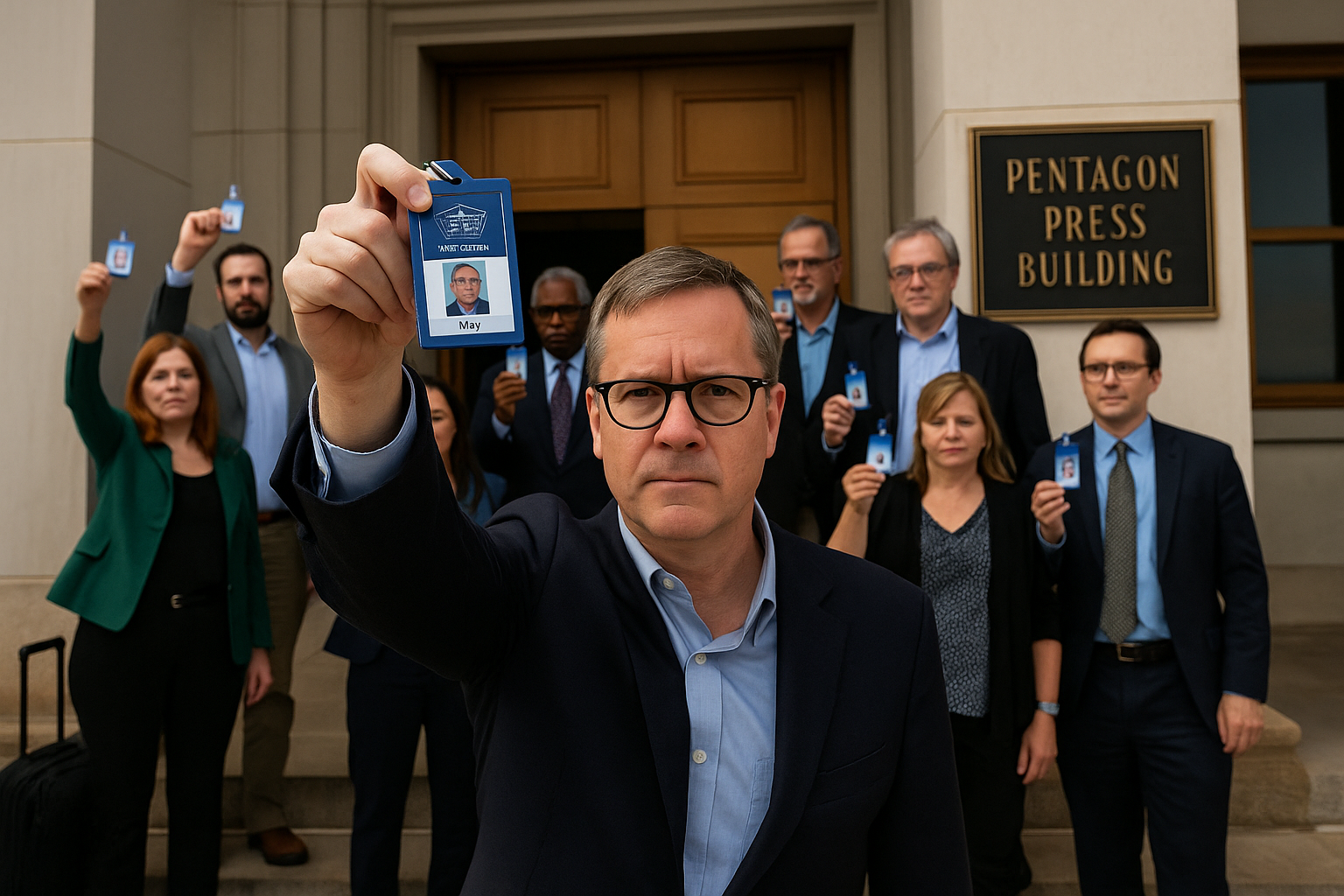
Dozens of journalists who cover the U.S. Department of Defense turned in their Pentagon press badges and vacated their workspace rather than sign new access rules issued this week. Major outlets—including AP, Reuters, CNN, Fox News, The New York Times, and others—said they would not agree to the policy.
Q: What do the new rules say?
The rules require newsrooms to agree that the Pentagon can revoke credentials if reporters publish “unauthorized” information, and they restrict how reporters move in the building and interact with sources. Reporters argue this reaches beyond protecting classified material and could chill normal, lawful reporting on unclassified topics.
Q: Why did reporters refuse to sign?
News organizations and the Pentagon Press Association said the policy effectively lets the government decide after the fact what’s permissible to publish, with loss of access as punishment—even for true information that isn’t classified. They called it a serious threat to independent coverage of the military.
Q: What’s the Pentagon’s justification?
Defense officials say the rules are “common-sense” security measures to prevent leaks that could endanger operations, and the administration has defended the policy on national-security grounds.
Q: Does this mean there will be no reporting on the military?
No. Outlets say they will continue covering the Pentagon from outside the building—through FOIAs, court filings, interviews with service members, veterans, contractors, and Hill sources—while challenging or pressuring the policy.
Q: What happens next?
Expect legal challenges and negotiations. Until then, many reporters remain credential-less at the Pentagon, and the policy becomes a test case for how far any U.S. agency can go in conditioning press access on editorial constraints.
#EricFGilbert #EricGilbert #TikTokNews #PressFreedom #Pentagon #BreakingNews #FreedomOfSpeech #GovernmentTransparency