Papaya Dog: The Taste of New York That’s Quietly Vanishing
If you’ve ever watched When Harry Met Sally… or Sleepless in Seattle, you’ve seen it — bright yellow signs glowing through Manhattan nights, a quick shot of a hot dog and papaya drink standing in for the heartbeat of the city.
Papaya Dog, Papaya King, and Gray’s Papaya weren’t just hot-dog counters; they were cultural shorthand. When directors needed to say “this is New York,” they didn’t need the Empire State Building. They needed that neon Papaya glow.
Hollywood’s Love Affair with the Papaya Stand
For decades, filmmakers used these storefronts as a cinematic landmark.
-
In When Harry Met Sally… (1989), the characters grab hot dogs at Gray’s Papaya — a moment that cemented the stand as part of the city’s romantic geography.
-
Sleepless in Seattle (1993) showed Meg Ryan darting into Gray’s Papaya while rushing through Manhattan — quick, familiar, and unmistakably New York.
-
Nick and Norah’s Infinite Playlist (2008) gave a generation of younger viewers its own Papaya cameo.
-
Will Smith passed the shuttered Gray’s Papaya in I Am Legend (2007), a haunting image of a city gone silent.
Even Man on the Moon (1999) and The Secret Life of Walter Mitty (2013) used Papaya King signage as shorthand for late-night city life.
Those frames turned a five-dollar hot-dog shop into an icon.
Why They’re Disappearing Now
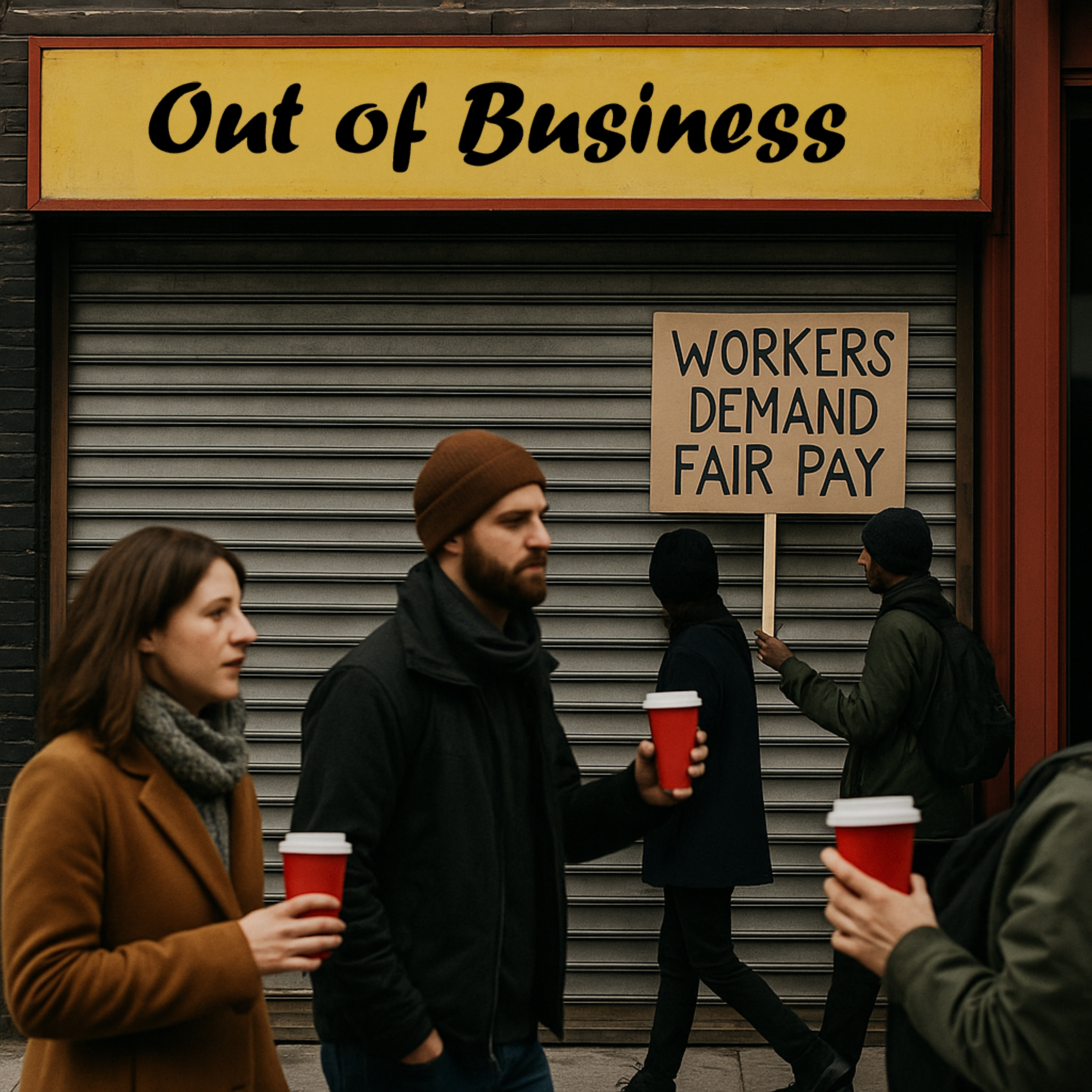
Over the past year, multiple Papaya Dog locations have gone dark — no closing parties, no final sign-off, just padlocked gates.
Industry analysts and local reporters cite the same mix of pressures hitting small businesses across the five boroughs:
-
Commercial rents up double-digits since 2022.
-
Post-pandemic foot-traffic decline, especially after midnight.
-
Redevelopment projects replacing low-margin food spots with luxury high-rises and chain tenants.
Papaya King’s original corner on the Upper East Side is already being transformed into a 17-story tower.
It’s not just Papaya. Even corporate giants are feeling the squeeze. Starbucks has quietly trimmed its Manhattan footprint this year, citing “store optimization” — a corporate phrase that means some locations simply stopped making money.
The Labor Undercurrent
At the same time, New York’s labor climate is shifting. City-wide union activity is at its highest in more than a decade. Starbucks Workers United has led strikes across several boroughs, demanding higher pay and safer conditions.
Mayor-elect Zohran Mamdani — a democratic socialist and vocal supporter of organized labor — has publicly praised striking workers, saying that “solidarity is the path to justice.” His allies argue that supporting walkouts is about long-term fairness; critics warn it could accelerate closures for businesses already on the edge.
Culture, Economics, and the Fear of Change
To some New Yorkers, losing Papaya Dog feels like watching the city’s personality get rezoned out of existence. The neon storefronts were cheap, fast, and egalitarian — the kind of place where Wall Street traders and cabdrivers stood shoulder-to-shoulder.
But to landlords and developers, those same storefronts are underperforming assets in prime real estate.
The question now isn’t only whether Papaya Dog can survive; it’s whether the kind of small business it represents can.
Rents keep climbing, chain stores keep consolidating, and the incoming administration is preparing policies that could raise wages and tenant protections — moves that help workers but tighten margins further for operators who already run on pennies of profit.
A Quiet Sign of a Louder Shift
So as Papaya Dog’s lights go out, the story isn’t just about hot dogs. It’s about what kind of New York survives in the next political and economic cycle.
A city once famous for 24-hour culture is closing a little earlier each night.
And for a lot of New Yorkers — whether they loved Papaya Dog’s hot dogs or just saw them on screen — that feels like more than a business decision.
It feels like a signal.
EricFGilbert #EricGilbert #PapayaDog #GrayPapaya #PapayaKing #WhenHarryMetSally #SleeplessInSeattle #NYCFood #NYCFoodCulture #NYCPolitics #Mamdani #ZohranMamdani #SmallBusiness #NYCNews #LocalBusiness #NYCEconomy