When we talk about slavery in America, we usually look back at history books through a black-and-white lens. But what if I told you that by obsessing over the past, we are ignoring a human rights catastrophe happening right now, in our own zip codes?
I’ve seen the nuances of this firsthand—from my wife’s experience as a Jamaican immigrant to a shocking discovery in my own family tree. To clear the air and shine a light on the “new” face of exploitation, I’ve put together this Q&A to address the facts we often ignore.
Q: You mentioned your great-grandmother was a “white slave.” How is that possible in the 1900s?
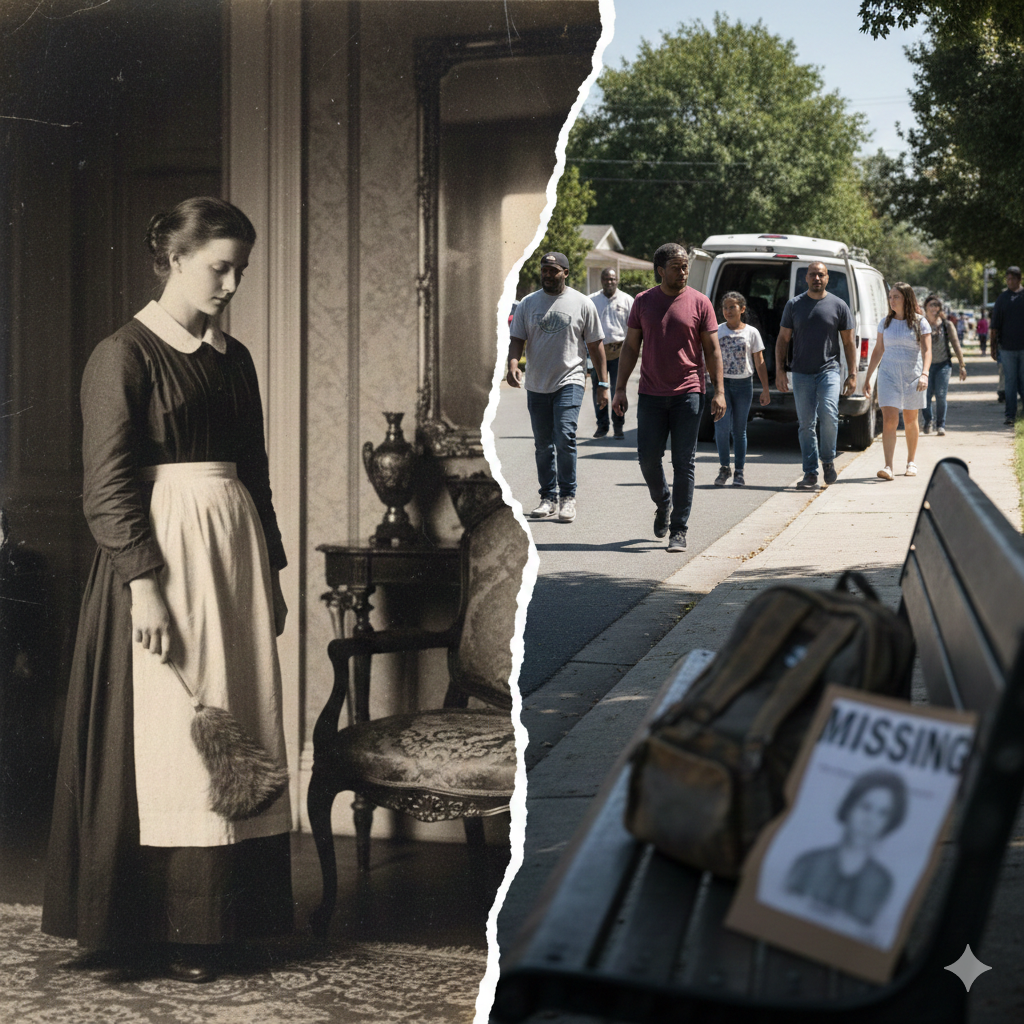
A: This is the “hidden history” many people don’t want to acknowledge. My great-grandmother was an orphan who was “adopted” by a wealthy family. On paper, it looked like charity; in reality, it was domestic servitude. She was never educated, she was forced to wear a uniform every day, and she was physically abused.
This is a form of labor trafficking that still exists today. According to the Global Slavery Index, thousands of people in the U.S. are currently held in “private homes” under the guise of domestic help or guardianship, invisible to the public eye.
Q: Why do you say the “Black vs. White” narrative is a distraction?
A: Because exploitation doesn’t care about your skin color—it cares about your vulnerability. My wife is Jamaican, and I see how she is often treated as “less than” by Black Americans. There is a deep-seated nativism and ethnic friction that people ignore because it doesn’t fit the standard “oppressor vs. oppressed” script.
When we spend all our energy fussing over what happened 200 years ago, we lose the ability to see the victims of 2025. If we only look for slavery in history books, we won’t see it in the gang-controlled houses or the forced labor rings ICE is uncovering today.
Q: Is it true there are more slaves today than in the 1800s?
A: Yes. It is a statistical fact. In 1860, there were roughly 4 million enslaved people in the U.S. Today, the International Labour Organization (ILO) estimates there are 50 million people in modern slavery globally.
The difference is the price of a human being. In the 1800s, a slave was an “investment” that cost the equivalent of tens of thousands of dollars. Today, a person can be “bought” for as little as $90. They have become disposable commodities.
Q: What does this have to do with gang raids and current events?
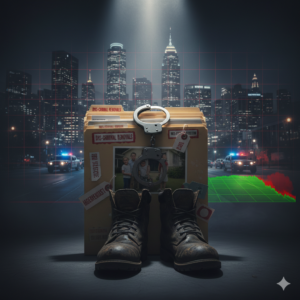
A: Every time you see a headline about a major raid on organized crime or gangs, look closer at the “recovered minors.” These children aren’t just runaways; many are being bought and sold. They are modern slaves. While the media focuses on political infighting, these criminal organizations are running a $150 billion industry on the backs of the most vulnerable.
The Bottom Line
We cannot fix a problem we refuse to see. Whether it’s the “servant” child in a wealthy suburb or the immigrant worker trapped by debt, slavery is not a ghost of the past—it is a monster of the present.
It’s time to stop looking back and start looking around.
Part 2: From History to Action — Protecting Our Community
It’s one thing to recognize that slavery didn’t die; it’s another to know how to stop it. If we want to prevent what happened to my great-grandmother from happening to a child on our street today, we have to know what “hidden” exploitation looks like.
1. Spotting the Signs: What to Look For
Human trafficking rarely looks like a scene from a movie. It looks like a child who is “there but not there.” Keep an eye out for these community red flags:
-
The “Scripted” Child: If you speak to a child and they look to an adult for permission before every word, or if their answers sound rehearsed/robotic, that’s a red flag.
-
Domestic Disparity: In neighborhoods, look for kids who live in a home but are clearly treated differently than the rest of the family. Are they doing all the manual chores while the other kids play? Do they eat separately? Do they lack school clothes or basics despite the family being wealthy?
-
Physical Indicators: Look for untreated injuries (bruises in different stages of healing), signs of malnourishment, or “branding” tattoos (often a name, a barcode, or a dollar sign).
-
The “Shadow” Resident: Is there a teenager or child in a house who never goes to school, is rarely seen during the day, or seems to be “on-call” 24/7?
The Golden Rule: If your gut tells you something is wrong, it probably is. Don’t confront the “owner” yourself—report it to the National Human Trafficking Hotline (1-888-373-7888) or local law enforcement.
2. Voting for Change: How Your Ballot Stops Traffickers
The fight against modern slavery isn’t just about police raids; it’s about the laws that fund them and the policies that protect victims. When you research candidates, look for their stance on these three pillars:
| Legislative Priority | Why It Matters |
| TVPA Reauthorization | The Trafficking Victims Protection Act is the backbone of U.S. anti-trafficking efforts. Check if your reps support its funding and updates. |
| Border & Port Security | Trafficking is a global business. We need leaders who prioritize the detection of “human cargo” at our entry points and fund ICE/HSI specialized units. |
| Safe Harbor Laws | Vote for policies that treat minors as victims, not criminals. Many kids are arrested for gang-related crimes when they are actually being coerced. |
| Unaccompanied Minor Protections | Support bills like the Stop Human Trafficking of Unaccompanied Migrant Children Act (H.R. 1202) which aim to prevent kids from getting “lost” in the system where traffickers find them. |
Closing: A Legacy of Freedom
My great-grandmother couldn’t vote. She didn’t have a community looking out for her. She was a ghost in a uniform. Today, we have the internet, the data, and the right to speak up.
We can’t change what happened in the 1800s, or even the early 1900s. But we can make sure that the “hidden children” in our communities today have a future that isn’t for sale.
Call to Action
“If you see something, say something.” * Hotline: 1-888-373-7888 (24/7)
-
Text: “HELP” to 233733 (BeFree)
-
Search your Reps: Visit Congress.gov to see if your local representatives have cosponsored any anti-trafficking bills this session.
ModernSlavery #HumanTrafficking #EndItMovement #HumanRights #LaborExploitation #ModernAbolitionist #TraffickingAwareness