If you came here from the video, here’s the full breakdown the public didn’t get:
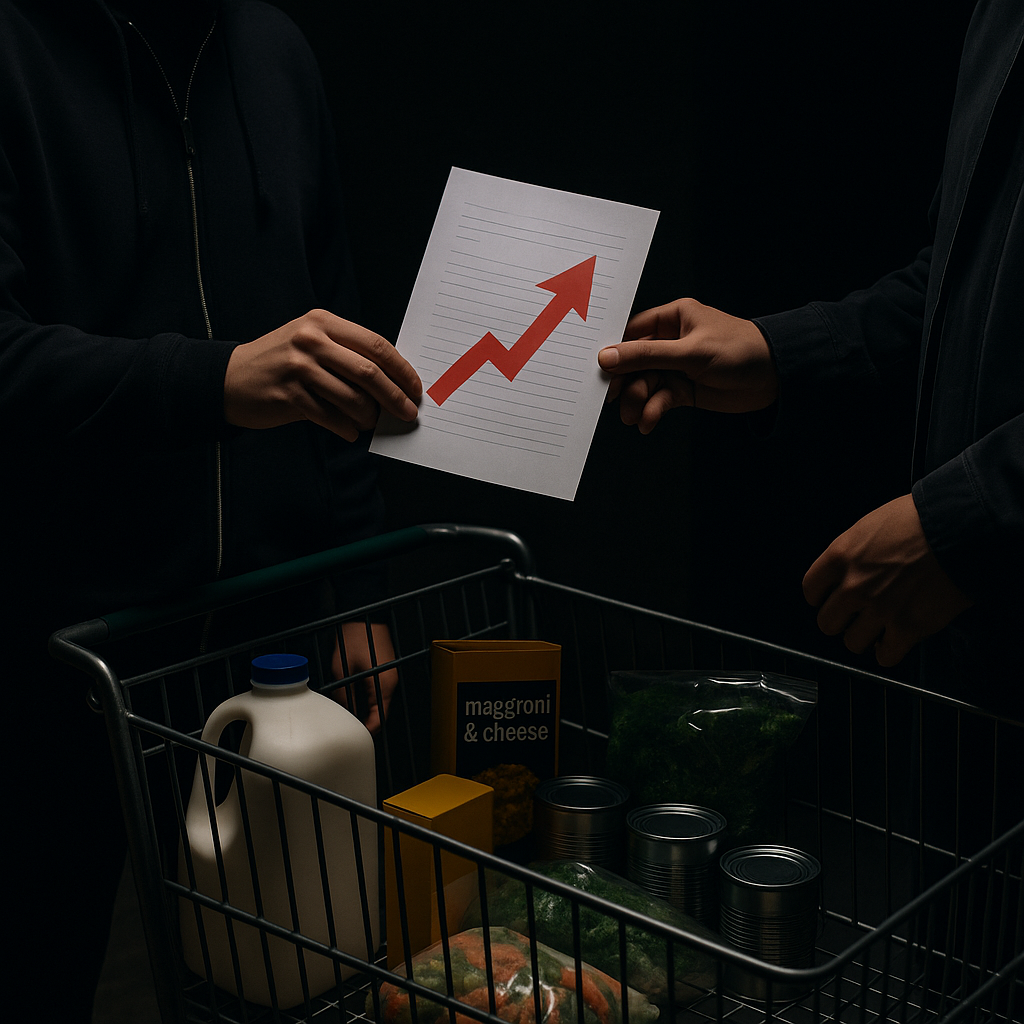
The viral claim that food was about to jump forty percent was exaggerated, but the fear came from a real internal leak. Two major national distributors quietly circulated notices to retailers telling them to prepare for 18–28% increases on key food categories in early 2025.
This wasn’t a government action.
This wasn’t legislation.
This wasn’t political.
This was pure supply chain math, happening behind the scenes long before the public ever sees it.
Below is the full Q&A with every detail you need.
Q&A: What’s Actually Going On With Food Prices?
Q: Where did the “40%” rumor actually come from?
The number wasn’t invented. It was misinterpreted.
Here’s what happened:
Two distributors sent internal memos warning their retail partners of 18–28% cost increases on several categories. Once that information leaked online, commenters and small creators exaggerated or rounded numbers upward. People shared it without context, and within hours the rumor mutated into “40%.”
The leak was real.
The number was wrong.
But the underlying cause is still serious.
Q: So what is the REAL increase coming?
Retailers were told to expect cost hikes of:
-
18–28% on dairy
-
12–20% on canned goods
-
15–25% on boxed staples (mac and cheese, stuffing mixes, potatoes, rice blends)
-
10–18% on frozen vegetables
-
Unknown surcharges on refrigerated shipments due to trucking shortages
When retailers add their margin on top of the new distributor pricing, the consumer-facing increase usually ends up 25–35%, which is why the rumor felt believable.
Q: Why is this happening if it’s not the government?
Three non-political supply chain forces converged at once:
1. Refrigerated trucking is in a shortage cycle
Reefer units are running below normal availability because drivers are chasing higher-paying dedicated routes. When supply drops, per-mile cost jumps. Every dairy, meat, and frozen product becomes more expensive to move.
2. Core ingredient contracts are expiring early
This is the big one.
Bulk ingredient contracts for items like:
-
powdered milk
-
wheat derivatives
-
emulsifiers
-
vegetable oils
-
canned steel
-
packaging plastics
…all reset in Q1.
When new contracts cost more, manufacturers recalculate final product pricing, and distributors follow.
3. Retailers avoid raising prices during November–December
Stores almost NEVER raise prices during the holidays. They absorb the higher cost temporarily, then pass it on in January once shopper attention drops.
So the public hasn’t felt anything yet — but the math has already changed.
Q: Which foods are likely to rise first?
Based on contract resets and distributor guidance:
-
Milk, cheese, cream-based products
-
Yogurts and refrigerated staples
-
Canned vegetables, soups, beans
-
Pasta box kits, rice mixes, instant potatoes
-
Frozen vegetables
-
Juice concentrates
These items rely heavily on refrigerated freight, multi-stage processing, or contract-based ingredients — so they get hit early.
Q: When will the public actually see these increases?
Most likely:
Late January through early March.
Retailers will begin adjusting shelf prices once holiday pricing freezes end and new manufacturer contracts take effect.
Q: Why didn’t they announce this publicly?
Because:
-
Distributors warn retailers, not consumers
-
Retailers avoid triggering early panic buying
-
Corporations don’t disclose pricing strategy until after the increases land
The only reason you’re hearing it now is because the notice leaked internally.
Q: What should people stock up on before the increases hit?
Based on the affected categories:
-
Canned goods
-
Boxed dinners and side dishes
-
Frozen vegetables
-
Butter, cheese, and baking staples (early January hits dairy hard)
-
Refrigerated staples (yogurt, certain meal kits)
Stocking these items now gets them at the pre-increase rate.
Q: Is more coming after this, or is this the big one?
Expect another smaller adjustment in mid-2025 when fuel contracts reset and shipping surcharges reach their peak. Nothing as large as Q1, but still noticeable.
This is the major jump.
Final Takeaway
The “40%” number was wrong, but the reason behind the rumor was real — and the real increase is still big enough to hit every American household.
This is not political.
This is not legislation.
This is not a government action.
This is the supply chain correcting itself… and retailers quietly preparing to pass the cost to you.
Check your pantry. Stock up smart. Share the truth.