The Government’s Shut Down — But Inside the LGBTQ+ World, a Storm Is Brewing
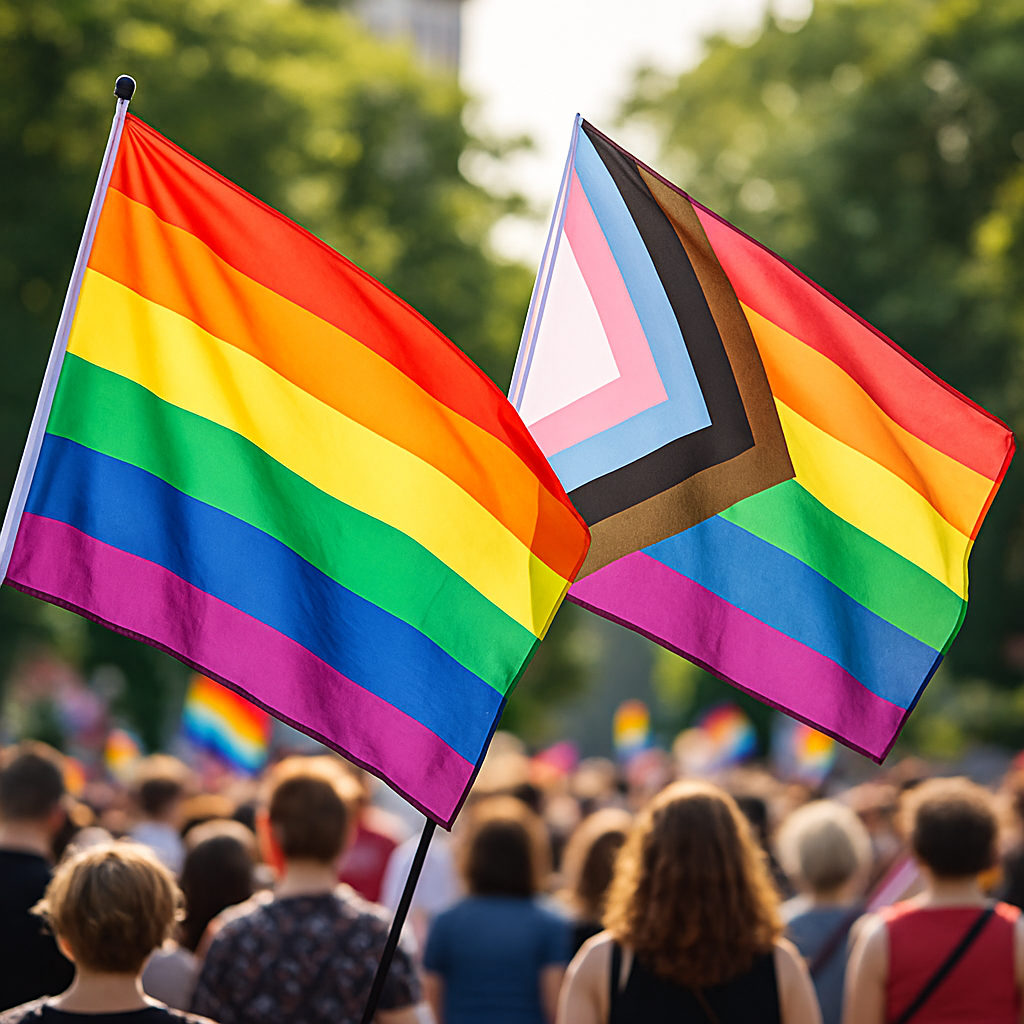
While Washington remains gridlocked, a quieter, emotional fight is brewing in LGBTQ+ circles — a push by some in the LGB community to separate from the rest of the alphabet (T, Q, +). The reasons are complex: identity, politics, fear of backlash, mental health, and more.
What Is the “LGB Split” Movement?
Groups like the LGB Alliance in the UK (founded in 2019) explicitly oppose including transgender rights under the same umbrella, saying that “sex-based rights” are being compromised. :contentReference[oaicite:1]{index=1} In 2025, an international offshoot, LGB International, declared itself independent of “legacy LGBTQ+ organizations,” citing a shift toward “gender ideology” as a threat to same-sex attracted rights.
Core Tension: Attraction vs Identity
The central logic used by some split proponents is this:
- LGB = who you’re attracted to.
- T / gender identity = how you see yourself.
- By combining them, they say, you blur boundaries, complicate advocacy, and risk visibility conflicts.
They argue mixing sexual orientation rights with debates on identity, medical care, pronouns, etc., invites backlash that could threaten what LGB people already have. They also raise mental health and political risk concerns.
What Do Recent Polls Show?
Here’s what surveys and research in 2025 are revealing:
- 66% of U.S. adults support requiring trans athletes to compete by sex assigned at birth.
Risks, Mental Health, Identity Pressure
The push to separate isn’t purely philosophical or political. Underneath, tensions are real:
- Many fear that heated debates over trans policies might provoke backlash, threatening LGB protections (marriage, nondiscrimination, adoption, etc.).
- Some argue that identity and gender debates shift the conversation away from simple, historically grounded LGB issues into territory that feels unstable or ideological.
- Because some gender-identity issues tie into mental health, medical care, and internal distress, advocating separation can also be a reaction to the emotional weight those debates carry.
What to Watch Going Forward
Here are the flashpoints that could make this story explode:
- New LGB-separation groups, manifestos, or conferences
- Legal or political proposals focusing strictly on LGB rights, excluding gender identity
- Backlash from LGBTQ+ groups that hold to inclusion (trans, queer, +)
- Polling that directly asks LGB people: “Do you want separation?”
- Media framing, social media battles, activism
There’s real possibility this becomes one of the defining identity debates of the next decade. Is separation inevitable — or will unity hold? I’ll be watching closely. Drop your feedback. I might bring it into tomorrow’s show.
#LGBvsT #LGBAlliance #LGBTQDebate #IdentityPolitics #EricFGilbert #EricGilbert #PublicOpinion