It’s late December 2025, and warnings are pouring in from the FBI, Treasury Department, McAfee, and cybersecurity firms like Check Point and Darktrace: AI-powered scams are exploding right now, especially voice cloning and deepfakes targeting families during the holidays.
How AI Voice Cloning Works – And Why It’s So Dangerous Now
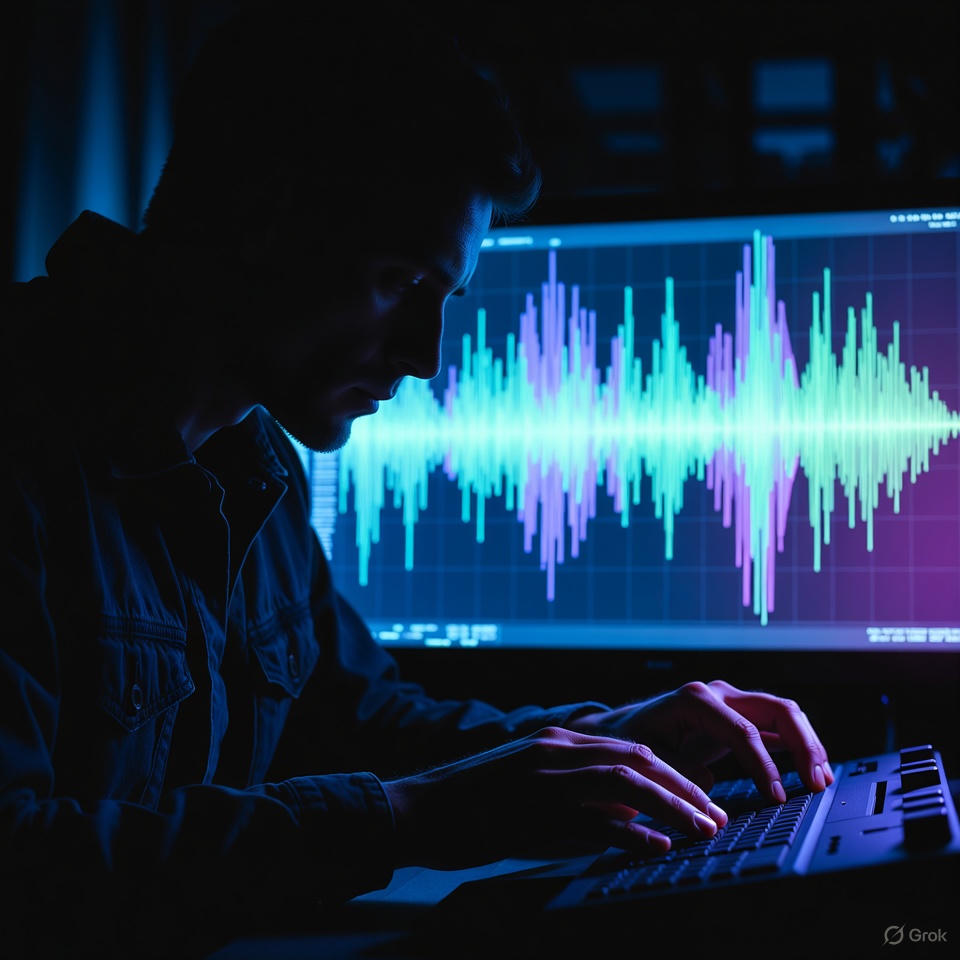
Scammers only need 3-10 seconds of your voice – easily grabbed from TikTok videos, Instagram reels, YouTube clips, or even a silent phone call where you say “hello” – to create a perfect clone using free or cheap AI tools.
They then generate panicked messages: “Grandma, it’s me – I was in an accident” or “Mom, I’m in jail, need bail money fast.” The voice sounds identical, complete with crying or distress, pushing victims to wire money, send gift cards, or crypto without thinking.
Real cases emerging in December 2025:
- Seniors losing thousands to cloned grandchild voices claiming arrests or kidnappings.
- One reported case: a woman lost $15,000 to a fake “crying daughter” call.
- Treasury advisory (Dec 15, 2025) highlights AI making scams “more convincing and scalable.”
McAfee research: Just 3 seconds can produce an 85%+ accurate clone. Their survey found 1 in 4 adults have encountered or know someone hit by AI voice scams, with many unable to spot fakes.
The Holiday Surge: Stats That Should Alarm Everyone
This isn’t hype – data shows a massive spike tied to the season:
- Darktrace: 620% increase in Black Friday-themed phishing campaigns in November 2025.
- Check Point: AI-generated delivery scams doubled Nov-Dec, with 33,500+ Christmas phishing emails and 10,000+ fake ads flagged in two weeks.
- FBI (Dec 2025 update): Over 9,000 AI-related complaints in first 7 months of 2025 alone.
- Broader phishing: Up to 201% more brand impersonations pre-Black Friday.
Deepfake variants include celebrity-endorsed fake ads (e.g., bogus Amazon or Le Creuset deals) spreading on social media, luring clicks to malware or phishing sites.
Why holidays? People are distracted, generous, and more likely to act fast on “emergencies.”
Other Tactics: Silent Calls, Deepfake Ads, and More
- Silent call traps: Scammers call and stay quiet to record your “hello?” or “who is this?” for cloning material.
- Deepfake celebrity scams: AI videos of stars promoting fake giveaways or products.
- Impersonation escalation: Clones now used for IRS threats, boss demands, or even real-time calls.
Still developing – authorities note these are harder to trace with crypto payments.
How to Protect Yourself and Your Family Right Now
- Family safe word: Agree on a secret code word or phrase only real family knows. If an “emergency” call can’t provide it, hang up.
- Verify independently: Call back on a known number. Don’t use details from the suspicious call.
- Limit public audio: Make social media private, avoid posting voice-heavy content.
- Hang up on unknowns: Especially silent or urgent calls. Block and report.
- No rushed payments: Legit emergencies don’t demand immediate wire/crypto/gift cards.
- Report it: FTC at ReportFraud.ftc.gov, FBI IC3, or local police.
These scams prey on trust and emotion – but awareness stops them cold. Share this with elderly relatives; they’re often targeted most.
Sources: FBI press releases, Treasury advisory Dec 2025, McAfee reports, Check Point Research, Darktrace alerts, Guardian and CBS coverage from Dec 2025.
Follow for daily early signals on stories like this.
Common Q&A on AI Voice Scams (2025 Edition)
Q: Is AI voice cloning really that easy in 2025? A: Yes – tools are free or low-cost, needing only seconds of audio for convincing clones.
Q: Who’s most at risk? A: Grandparents and seniors, but anyone with public social media audio. Over-60s report highest losses per FBI.
Q: Can I spot a cloned voice? A: Tough – 70%+ can’t tell in tests. Look for urgency, odd requests, no personal details.
Q: What if I get a suspicious call? A: Hang up, verify separately, use safe word.
Q: Are these scams new? A: Grandparent scams are old, but AI has supercharged them in 2025 with realistic voices.
Q: How much are people losing? A: Thousands per victim; billions overall in impersonation fraud annually.
Q: Will this get worse? A: Experts say yes, until better detection tools roll out widely.
Got questions? Drop them below.
#AIVoiceScam #VoiceCloningScam #Deepfake #HolidayScams #GrandparentScam #AIScamAlert #CyberSecurity2025 #ScamWarning #FamilyEmergencyScam #ChristmasFraud
Follow — every morning I share real stories the media won’t.
