
Morning News Brief: Trump Census Order, Texas Standoff, FBI Involvement & Global Updates
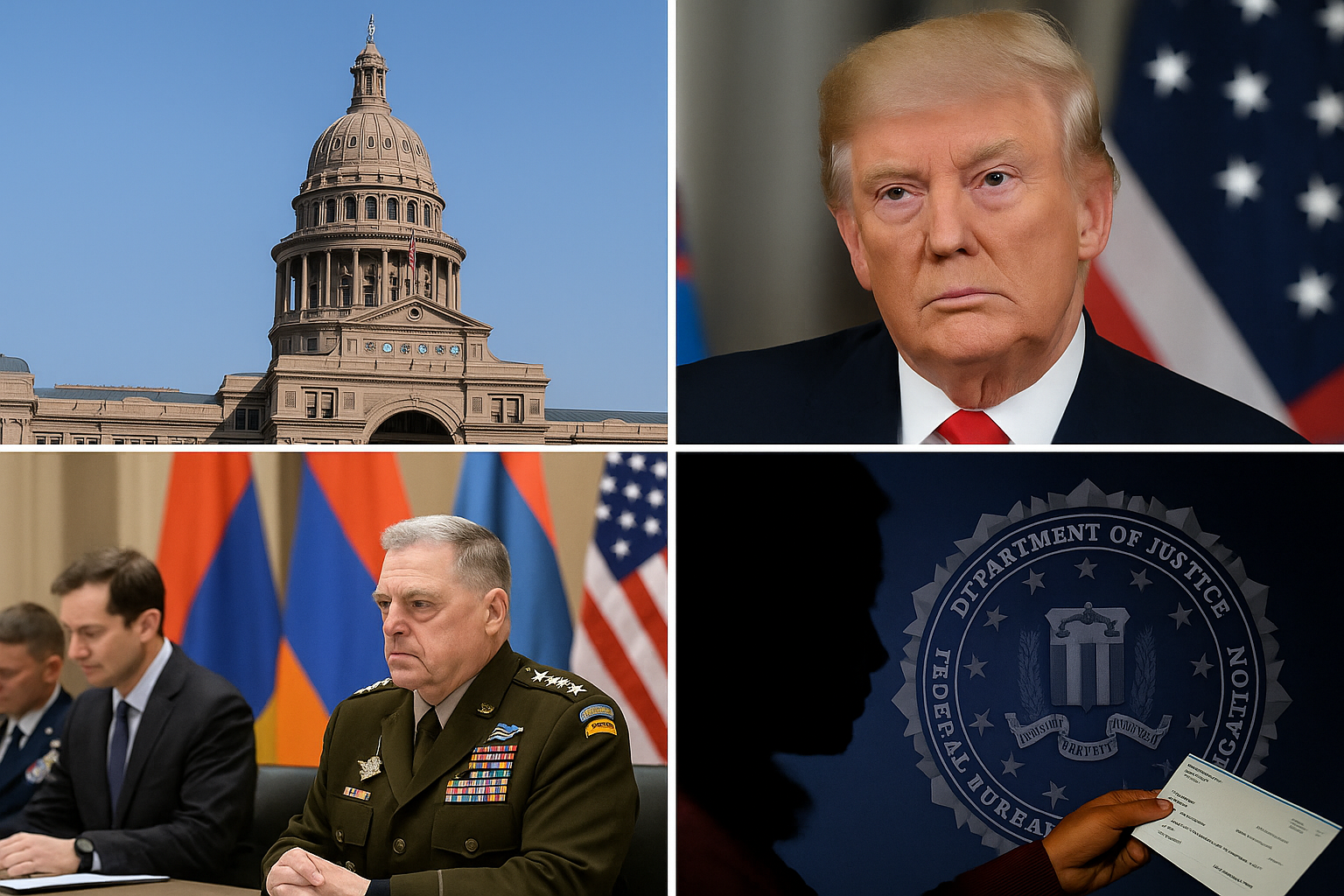
Republican leaders in Texas are pursuing a legal strategy to declare 13 state House seats vacant after Democratic members left the state to deny quorum on redistricting. Declaring vacancies could force special elections and alter the chamber’s balance.
Why it matters: If the courts allow it, this would be an aggressive precedent against walkouts and could fast‑track GOP redistricting plans.
What’s next: Watch for formal filings and any court hearings or orders that would start the vacancy/special‑election clock.
On August 7, the administration directed the Commerce Department to begin work toward a mid‑decade U.S. census that would exclude undocumented immigrants from the count used for congressional apportionment. This revives a previously attempted approach and is expected to face immediate legal challenges.
Why it matters: Excluding undocumented immigrants from apportionment would shift House seats and federal funding formulas, with major implications for states like Texas, Florida, and California.
What’s next: Expect lawsuits testing constitutional and statutory limits on mid‑decade enumeration and apportionment rules.
The White House announced a mediated agreement between Armenia and Azerbaijan aimed at normalizing relations after years of conflict. A key element discussed is a transport corridor linking Azerbaijan’s Nakhchivan exclave with the rest of Azerbaijan via Armenian territory, with a significant U.S. role in facilitating implementation.
Why it matters: Stabilizing the South Caucasus would reshape trade routes and reduce Russian and Iranian leverage in a strategically important energy corridor.
What’s next: Look for concrete timelines, security guarantees, and verification mechanisms; domestic politics in both countries could affect ratification and rollout.
A Texas GOP senator said the FBI would help locate Democratic lawmakers who left to block redistricting votes. Democrats dispute the appropriateness and authority of any federal role in a state‑level quorum fight, and the bureau has not issued a definitive public mandate.
Why it matters: Raises separation‑of‑powers and jurisdictional questions about using a federal investigative agency in a state legislative dispute.
What’s next: Watch for formal statements from DOJ/FBI, and for any court actions clarifying limits on interstate retrieval or assistance.
Yes. The Texas House leadership suspended direct deposit for the absent members, requiring paychecks to be collected in person at the Capitol—an added pressure tactic during the standoff.
Why it matters: Financial and logistical pressure can shorten walkouts; it also signals escalating procedural hardball.
What’s next: Keep an eye on whether this triggers returns to Austin, additional sanctions, or court challenges on legislative pay practices.