
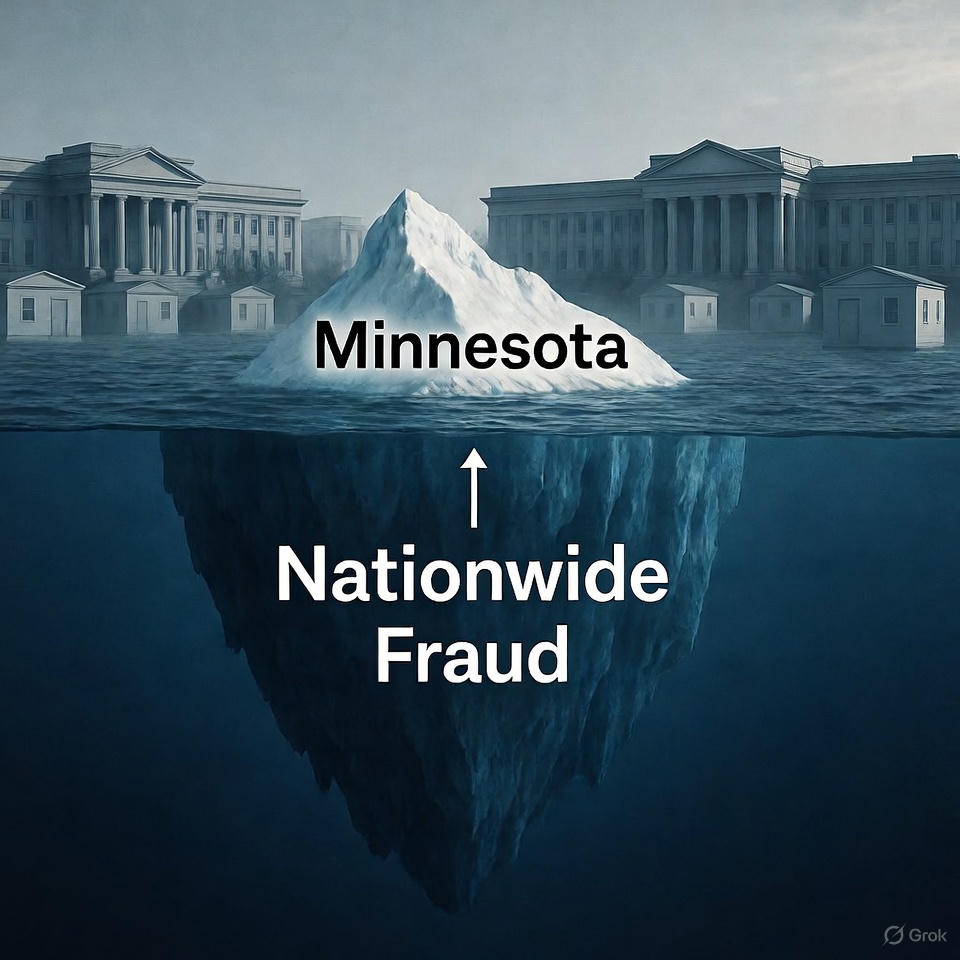
Minnesota’s Fraud Scandal: The Tip of a Nationwide Iceberg – Exposed Cases & How to Spot It Early”
Suggested Structure: Start with an intro tying to the video, list fraud examples, then focus on prevention tips. Use bullet points/tables for readability. Include calls-to-action for shares/comments.
Introduction
You saw the video—Minnesota’s childcare fraud is massive, with estimates of $250 million to $1 billion stolen through fake daycares and inflated claims in programs like Feeding Our Future. But this isn’t just a local mess. Federal probes reveal similar schemes nationwide, exploiting COVID relief and government aid. Below, I’ll list some exposed cases from other states, then dive into the real value: how to spot and prevent fraud before it drains billions more.
Exposed Fraud Cases Nationwide (Beyond Minnesota)
While Minnesota leads in scale (with 78 indicted and over $9 billion potentially lost across programs), similar vulnerabilities have led to busts elsewhere. Here’s a snapshot of recent 2025 cases tied to childcare, COVID relief, and related aid—showing this is a systemic issue:
| State/Case | Description | Estimated Loss | Status/Source |
|---|---|---|---|
| Illinois (Karnezis Brothers PPP Scam) | Brothers and accomplices used fake businesses to steal relief funds, mirroring Minnesota’s sham sites. Tied to broader aid fraud. | $20-100 million | Indicted; part of top COVID scams. |
| California/Arizona (Blueacorn PPP Fraud) | Company facilitated fraudulent loans through lax verifications, including aid meant for childcare and small ops—similar to MN’s fake claims. | $1 billion+ | Ongoing probes; listed as major pandemic fraud. |
| Florida (Recycling Companies PPP Ring) | Fraudsters claimed relief for non-existent operations, exploiting childcare-like aid programs with fake documentation. | Multimillion-dollar | Convictions; echoes MN’s inflated billing. |
| National (SBA COVID Relief Indictments) | 11 individuals stole $2 million+ via fake apps with fraudulent docs—includes ties to childcare subsidies in various states. | $2 million+ | Indicted December 2025; SBA highlights as part of widespread aid theft. |
| Multi-State (COVID Testing & Aid Scams) | Fake sites claimed funds for services never provided, similar to MN’s vacant daycares—hits states like New York and Texas. | Varies (part of $200-400 billion national total) | DOJ probes; often linked to nutrition/childcare overlaps. |
These cases show patterns: Fake entities, inflated claims, and weak oversight during COVID expansions. The total U.S. pandemic aid fraud could hit $200-400 billion, with childcare programs especially vulnerable. Minnesota’s just the most visible—federal changes like receipt requirements and audits suggest more revelations coming in 2026.
How to Spot Fraud Before It Gets Out of Hand
The key to stopping this iceberg from sinking more taxpayer dollars? Early detection and prevention. Based on guidance from the U.S. Department of Health and Human Services (HHS) and fraud toolkits, here are practical steps for parents, providers, and officials to spot red flags in childcare/government aid programs:
- Check for Inflated or Fake Claims: Look for daycares billing for more kids/meals than capacity allows. Red flag: Sudden spikes in enrollment without visible activity (e.g., empty buildings like in viral videos). Prevention: Require photo evidence or site visits for claims.
- Verify Documentation and Operations: Fraud often involves fake receipts, misspelled/mismatched business names, or non-existent addresses. Tip: Cross-check with state registries or Google Maps for legitimacy. Prevention: Use data analytics tools to flag anomalies in billing patterns.
- Monitor for Shell Companies or Rapid Growth: Scammers set up networks of linked entities to launder funds. Red flag: New providers with huge fund requests but no track record. Prevention: Implement risk assessments and background checks on owners.
- Watch for Community/Immigration Ties in Probes: Some cases involve fraud in immigrant-heavy areas—spot it via unusual remittance flows or denaturalization audits. Prevention: Report suspicions anonymously via HHS hotlines or FTC’s ReportFraud.ftc.gov.
- General Prevention Strategies: States should use CCDF Fraud Toolkits for audits, training, and data sharing. For individuals: If you’re a parent or provider, demand transparency—ask for attendance records and verify subsidies directly with agencies.
By spotting these early, we can prevent billions in losses. What do you think—seen similar issues in your state? Comment below and share this post!
#MinnesotaFraud #DaycareFraud #DaycareScam #ChildcareFraud #GovernmentFraud #FraudScandal #MinnesotaScandal #TaxpayerFraud #FeedingOurFuture #BillionDollarFraud #FraudExposed #NationwideFraud #ScamAlert #2025News #TimWalz #FraudInvestigation #SomaliFraud